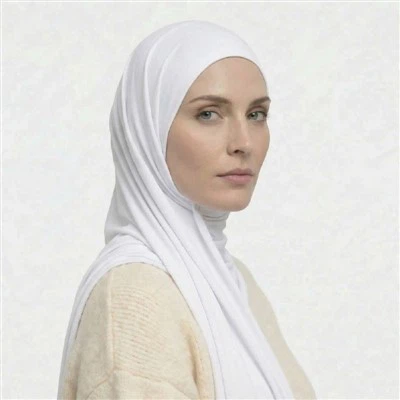

Chiffon hijabs have become a staple in the world of modest fashion, offering a blend of elegance, comfort, and style. As a chiffon hijab supplier, I've had the privilege of witnessing firsthand the growing popularity of these beautiful headscarves. One question that often comes up is whether chiffon hijabs have good elasticity. In this blog post, I'll delve into the science behind chiffon fabric, explore its elasticity, and discuss how it impacts the functionality and appeal of chiffon hijabs.
Understanding Chiffon Fabric
Chiffon is a lightweight, sheer fabric known for its softness and fluidity. It is typically made from silk, polyester, or a blend of both. Silk chiffon is luxurious and has a natural sheen, while polyester chiffon is more affordable and easier to care for. Regardless of the material, chiffon is characterized by its fine, delicate texture and its ability to drape gracefully.
The elasticity of a fabric refers to its ability to stretch and return to its original shape. In the case of chiffon, the elasticity can vary depending on several factors, including the type of fiber used, the weave of the fabric, and the manufacturing process.
Factors Affecting the Elasticity of Chiffon Hijabs
Fiber Type
Silk chiffon has a certain degree of natural elasticity due to the structure of silk fibers. Silk is a protein fiber that has a unique molecular structure, allowing it to stretch slightly under tension and then return to its original shape. Polyester chiffon, on the other hand, can be engineered to have different levels of elasticity. Some polyester chiffons are made with stretch fibers incorporated into the fabric, which can significantly increase its elasticity.
Weave
The weave of the chiffon fabric also plays a role in its elasticity. A looser weave generally allows for more stretch, while a tighter weave restricts the fabric's ability to stretch. For example, a chiffon with a plain weave may have less elasticity compared to a chiffon with a twill or satin weave, which can provide more give.
Manufacturing Process
The way the chiffon is manufactured can affect its elasticity. During the production process, the fabric may be treated with chemicals or undergo special finishing techniques that can enhance or reduce its stretchability. For instance, some chiffons are pre - shrunk to minimize shrinkage after washing, which can also impact the fabric's elasticity.
Benefits of Elasticity in Chiffon Hijabs
Comfort
One of the primary benefits of having good elasticity in a chiffon hijab is comfort. An elastic hijab can conform to the shape of the head and neck, providing a snug yet comfortable fit. It won't feel too tight or restrictive, allowing the wearer to move freely throughout the day. Whether you're at work, running errands, or attending a social event, a hijab with good elasticity will stay in place without causing discomfort.
Style
Elasticity also contributes to the style of the chiffon hijab. It allows for more creative draping and styling options. You can create different folds, twists, and knots with an elastic hijab, adding a touch of elegance and uniqueness to your look. For example, you can easily create a loose, flowing drape or a more structured, tailored style depending on your preference.
Durability
A hijab with good elasticity is more likely to withstand the rigors of daily wear. It can stretch and bend without tearing or losing its shape over time. This means that your chiffon hijab will last longer, providing you with a cost - effective and stylish accessory.
Testing the Elasticity of Chiffon Hijabs
As a supplier, I often conduct tests to ensure the quality and elasticity of our chiffon hijabs. One simple way to test the elasticity is to gently stretch a small section of the fabric between your fingers. A high - quality chiffon hijab should stretch smoothly and return to its original shape without any visible signs of damage or deformation.
Another test is to wear the hijab and move around. Notice how it fits and whether it stays in place. If the hijab feels too tight or restrictive, or if it constantly slips off, it may not have the right level of elasticity.
Our Range of Chiffon Hijabs
At our company, we offer a wide variety of chiffon hijabs to suit different tastes and needs. We have Plain Chiffon Hijab in a range of solid colors, perfect for a classic and elegant look. These plain hijabs are made from high - quality chiffon with just the right amount of elasticity to ensure a comfortable and stylish fit.
We also have Printed Chiffon Hijab featuring beautiful patterns and designs. Whether you prefer floral prints, geometric patterns, or abstract designs, our printed hijabs are sure to make a statement. The elasticity of these hijabs allows for easy styling, so you can showcase your unique personality.
Conclusion
In conclusion, chiffon hijabs can have good elasticity, depending on the type of fiber, weave, and manufacturing process. Elasticity in chiffon hijabs offers numerous benefits, including comfort, style, and durability. As a chiffon hijab supplier, we take pride in providing high - quality hijabs that meet the needs of our customers.


If you're interested in purchasing our chiffon hijabs or have any questions about our products, we invite you to contact us for a purchase negotiation. We're here to assist you in finding the perfect hijabs for your collection.
References
- Textile Institute. (2023). Handbook of Textile Fibres. Woodhead Publishing.
- Vogue Patterns. (2023). Guide to Fabrics. Conde Nast.