
As a supplier of wrinkle rayon, I've often been asked about the environmental friendliness of this fabric. The question "Is wrinkle rayon eco - friendly?" is not a straightforward one, and in this blog, I'll explore the various aspects to provide a comprehensive answer.
Understanding Wrinkle Rayon
Wrinkle rayon is a type of rayon fabric that has a unique crinkled or wrinkled texture. Rayon itself is a semi - synthetic fiber made from cellulose, which is derived from wood pulp or other plant sources. The process of creating wrinkle rayon involves treating the base rayon fabric to give it the characteristic wrinkled appearance.
The Positive Environmental Aspects of Wrinkle Rayon
Renewable Raw Materials
One of the most significant advantages of wrinkle rayon is its use of renewable raw materials. Since it is made from cellulose, which can be sourced from fast - growing trees like eucalyptus or bamboo, the raw material supply is sustainable. Unlike synthetic fibers such as polyester, which are derived from non - renewable petroleum resources, the production of wrinkle rayon can be part of a more sustainable cycle. For example, eucalyptus trees can be harvested and replanted relatively quickly, ensuring a continuous supply of cellulose for rayon production.
Biodegradability
Another positive aspect is its biodegradability. Wrinkle rayon, being a cellulose - based fiber, can break down naturally over time. When disposed of in a composting environment, it will decompose into organic matter, reducing the long - term environmental impact compared to synthetic fibers that can persist in landfills for hundreds of years. This biodegradability makes it a more environmentally friendly option in terms of waste management.
The Negative Environmental Aspects of Wrinkle Rayon
Chemical Processing
The production of wrinkle rayon involves several chemical processes. The cellulose is first dissolved in a chemical solution to form a viscous liquid, which is then extruded to create the fibers. These chemicals, such as sodium hydroxide and carbon disulfide, can be harmful to the environment if not properly managed. Carbon disulfide, in particular, is a toxic substance that can pollute air and water if released during the manufacturing process. Additionally, the treatment to create the wrinkled effect may also involve the use of chemicals that can have environmental implications.
Water Consumption
Rayon production is also known for its high water consumption. The manufacturing process requires large amounts of water for various stages, including dissolving the cellulose, washing the fibers, and treating the fabric. In regions where water is scarce, this high water demand can put a strain on local water resources. Moreover, the water used in the process often becomes contaminated with chemicals, and improper treatment of this wastewater can lead to water pollution.
Comparing Wrinkle Rayon with Other Fabrics
Against Synthetic Fabrics
When compared to synthetic fabrics like polyester and nylon, wrinkle rayon has some clear environmental advantages. As mentioned earlier, its use of renewable raw materials and biodegradability make it a more sustainable choice. Synthetic fabrics are made from non - renewable resources and can take a very long time to break down in the environment. However, the chemical processing and water consumption in wrinkle rayon production are areas where synthetic fabrics may have an edge, as some synthetic fiber manufacturing processes have become more efficient in terms of chemical use and water conservation.
Against Natural Fabrics
Compared to natural fabrics such as cotton and wool, wrinkle rayon has both similarities and differences. Cotton is also a renewable resource, but its cultivation often requires large amounts of pesticides and fertilizers, which can have negative environmental impacts. Wool production has its own set of environmental concerns, including land use for grazing and the energy required for processing. Wrinkle rayon, on the other hand, has the advantage of being biodegradable, but its chemical processing and water consumption are areas of concern.
Our Efforts as a Wrinkle Rayon Supplier
At our company, we are aware of the environmental issues associated with wrinkle rayon production. We are committed to taking steps to minimize our environmental impact. Firstly, we source our cellulose from sustainably managed forests. This ensures that the raw materials are obtained in an environmentally responsible way, with proper reforestation practices in place.


Secondly, we are investing in research and development to improve our manufacturing processes. We are exploring alternative chemicals that are less harmful to the environment and more efficient in terms of water use. For example, we are looking into using enzymes instead of some of the traditional chemicals in the treatment process, which can reduce the environmental footprint.
Our Wrinkle Rayon Products
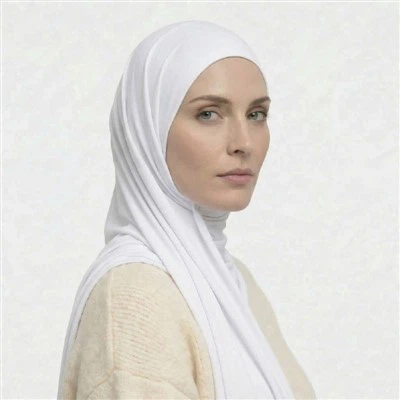
We offer a wide range of wrinkle rayon products, including hijabs. Our Solid Color Wrinkled Hijab is a popular choice among customers. It is made from high - quality wrinkle rayon, providing a soft and comfortable feel. The solid color design makes it versatile and easy to match with different outfits.
Our Dip Dye Wrinkle Hijab is another unique product. The dip - dyeing technique gives it a beautiful and natural gradient effect, adding a touch of style. And our Dirty Dye Hijab has a more rustic and edgy look, perfect for those who want to make a fashion statement.
Conclusion and Call to Action
In conclusion, the question of whether wrinkle rayon is eco - friendly is complex. It has both positive and negative environmental aspects. While it uses renewable raw materials and is biodegradable, the chemical processing and water consumption in its production are areas of concern. However, as a supplier, we are taking steps to address these issues and make our production more sustainable.
If you are interested in our wrinkle rayon products, we encourage you to contact us for a procurement discussion. We are happy to provide more information about our products, our environmental initiatives, and how we can meet your specific needs.
References
- "The Environmental Impact of Rayon Production" - Journal of Sustainable Textiles
- "Renewable Resources in Textile Manufacturing" - Textile Research Institute
- "Biodegradability of Cellulose - Based Fibers" - International Journal of Environmental Science and Technology