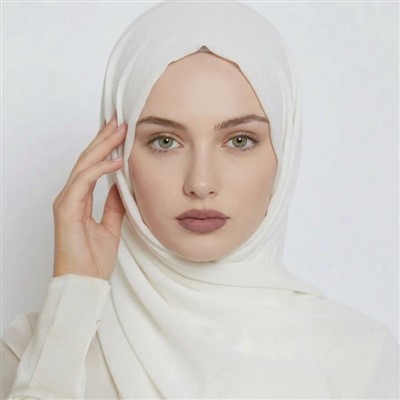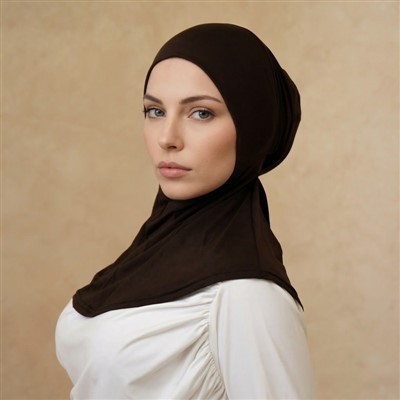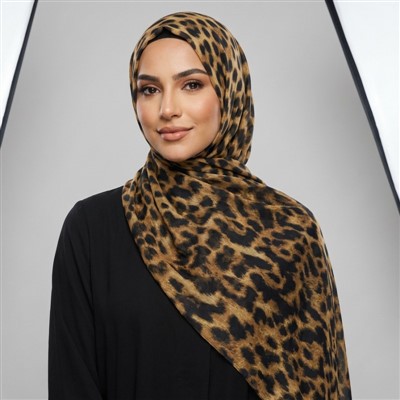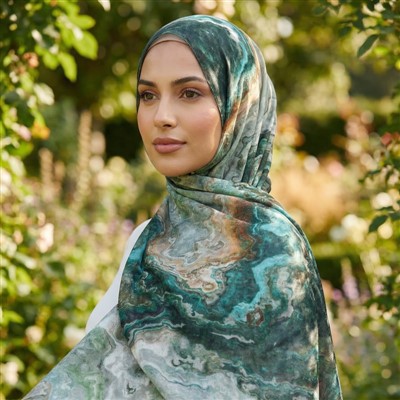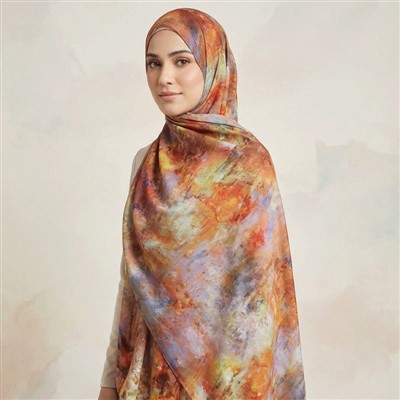
The lightweight, breathable texture and unique drape of Balinese yarn headscarves are inseparable from their meticulous making process. From raw material preparation to final shaping, every step affects the texture, durability, and style of the scarf.
First is the pre-treatment of raw materials. Depending on the type of fiber used-cotton, silk, linen, or synthetic fibers-appropriate combing and spinning are required to ensure even yarn consistency and freedom from knots. In traditional craftsmanship, Balinese artisans would manually or semi-mechanically twist natural fibers into fine yarn suitable for weaving, maintaining softness and resilience; modern production often uses combed spinning equipment to improve yarn uniformity and strength, laying a stable foundation for subsequent weaving.
Next comes the weaving stage, the core of creating the unique porous structure of Balinese yarn. Balinese yarn typically uses a plain weave or modified loose weave, with a relatively large gap between the warp and weft yarns. During weaving, tension is controlled to create even micropores and slight wrinkles on the fabric surface. Traditional looms allow for inch-by-inch adjustment of weave density, resulting in slight variations in feel and breathability for each scarf-a key element of the charm of handmade Balinese yarn. Modern looms, controlled by computers, enable mass production while retaining the loosely woven, porous nature of the fabric. During weaving, meticulous attention must be paid to tension balance to prevent localized over-tightening that could lead to stiffness or deformation.
Following this are finishing processes, including desizing, washing, pre-shrinking, and setting. Desizing removes residual sizing material, resulting in a softer surface; washing and pre-shrinking minimize dimensional changes after washing; and setting uses steam or hot pressing to maintain the fabric's natural drape and shape. Some high-end Balinese scarves undergo hand-rubbing or stone-washing to enhance the crepe texture and vintage feel. Dyeing or printing is mostly done in the finishing stage, using environmentally friendly dyes and gradient techniques to ensure colors blend seamlessly with the fabric's breathability.
Finally, the fabric is cut and sewn. Because of its soft texture, Balinese yarn must be cut along the grain to avoid damaging the drape. Edge finishing typically involves hand-rolled or narrow overlock stitches, with fine stitches and extra allowance to prevent stretching and deformation. The shaped corners and binding not only enhance durability but also create a clean and crisp overall look.
From raw materials to finished product, the Balinese yarn headscarf's manufacturing process blends the warmth of traditional handcrafting with the precision of modern technology. It is this meticulous attention to detail that allows it to maintain a breathable and comfortable feel while exuding a unique exotic charm and artistic flair.