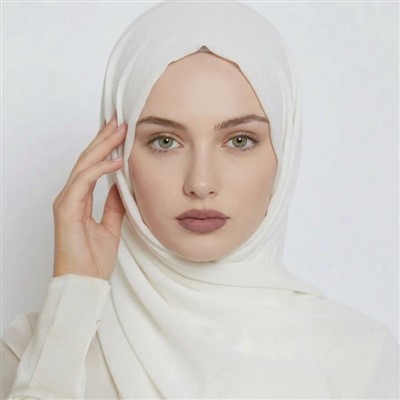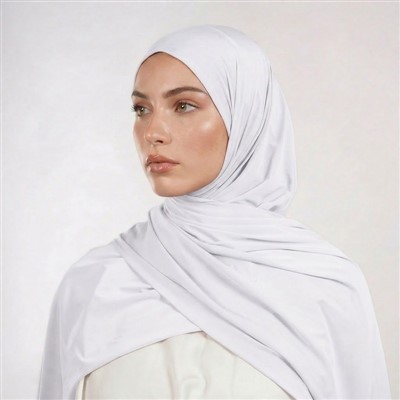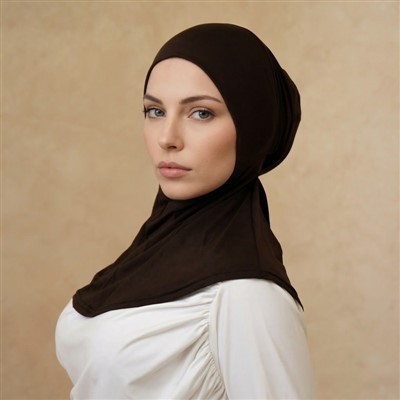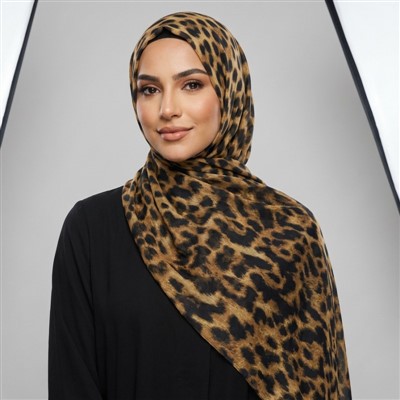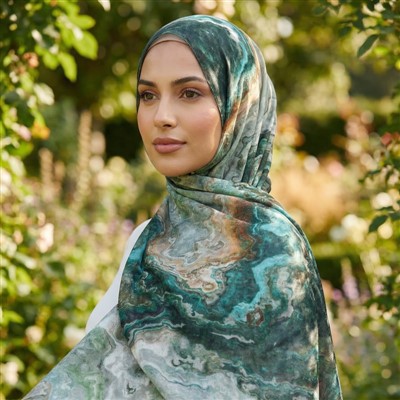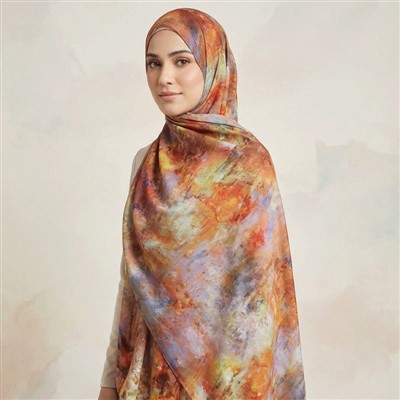
A high-quality modal headscarf is not only superior because of its skin-friendly material, but also because of its well-designed internal structure, achieving a balance between comfort and practicality. Understanding its structure helps in making better selections and using it.
From a macro perspective, the basic structure of a modal headscarf consists of three parts: the fabric layer, the edge treatment, and the way it is tied. The fabric layer is the core, woven from 100% modal fibers. The fibers are uniformly fine, and the yarns are tightly arranged yet soft, forming a smooth surface and a breathable interior, double or multi-layered structure. This structure allows the headscarf to have good drape while retaining a suitable amount of air, achieving a balance between gentle warmth and heat dissipation.
The edge treatment directly affects durability and aesthetics. Common practices include binding or rolling the edges to prevent fiber fraying and create a clean, crisp silhouette. High-quality products use fine thread of the same material for close stitching, ensuring the edges are neat and do not curl up, maintaining their neat shape even after long-term use. Some styles incorporate narrow, contrasting-colored webbing along the edges, reinforcing the structure and enhancing its decorative appeal.
The wrapping structure determines the flexibility of use. Most modal headscarves are square or rectangular, allowing for various styles such as head coverings, shawls, and neckerchiefs through different folding and wrapping methods. The symmetrical square structure facilitates even folding, creating neat lines; the rectangular proportions allow for adjustment of coverage and tightness, adapting to different head circumferences and occasions.
Microstructurally, the smooth surface of modal fibers and the moderate spacing between fibers provide excellent moisture-wicking channels, allowing moisture to quickly diffuse and evaporate along the fiber gaps, reducing stickiness. Simultaneously, the fibers have good resilience, quickly returning to their original shape after compression, maintaining the headscarf's flatness and fit.
Overall, the structural design of modal headscarves balances a skin-friendly feel, shape stability, and versatility, with every aspect, from fabric weave and edge finishing to pattern planning, serving to enhance the wearing experience. Understanding these structural details can help us more accurately match our own needs when making a selection.