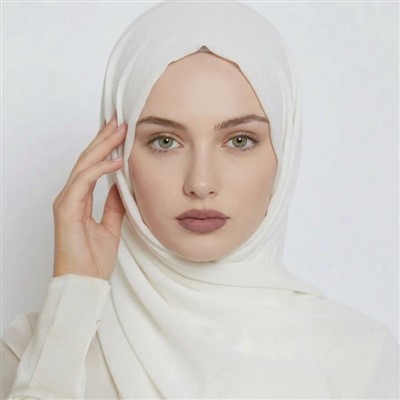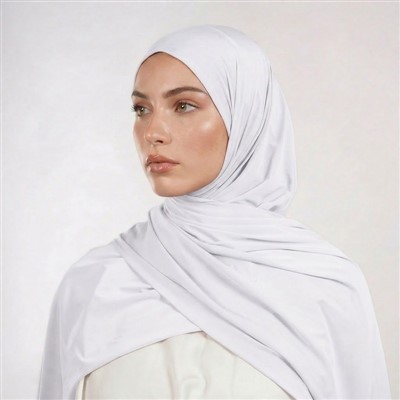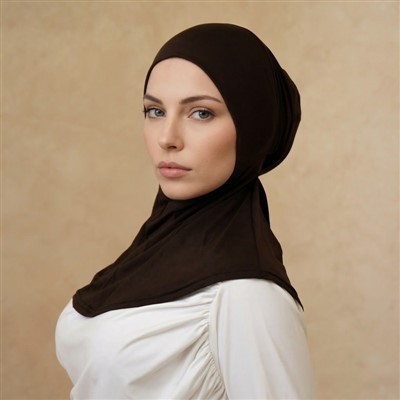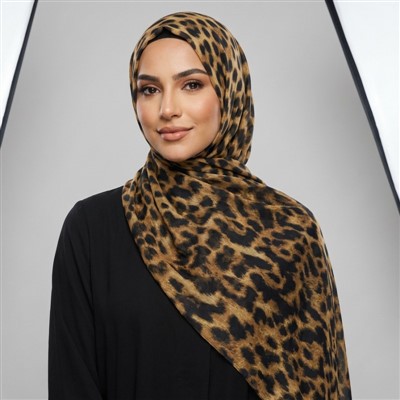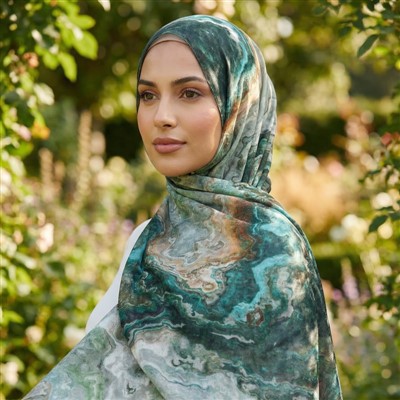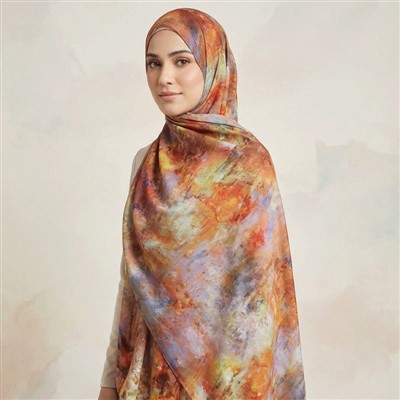
The charm of Balinese headscarves comes not only from their unique weave and exotic style, but also from their diverse material choices. Different raw materials give the headscarves different feels, breathability, drape, and durability, allowing them to showcase their advantages in various climates and usage scenarios.
Traditional Balinese is mostly made from pure cotton. Cotton fibers are soft and skin-friendly, breathable, and absorbent, making them suitable for warm and humid environments. When worn, they absorb sweat and keep you feeling cool. Pure cotton Balinese creates a naturally fluffy surface with a soft, slightly creased texture that is gentle on the skin and non-irritating, making it especially popular with people with sensitive skin. However, pure cotton generally has low abrasion resistance; repeated washing may cause slight pilling or shrinkage, requiring careful care to maintain its original condition.
To enhance luster and drape, silk or silk-cotton blends are also common choices. Silk Balinese has a delicate and smooth touch, a naturally lustrous sheen, and excellent drape. The surface flows like water with movement, highlighting a noble and elegant temperament. Silk and cotton blends offer a balance of softness and strength, making them more resistant to daily wear and tear than pure silk, while retaining some breathability. However, silk fabrics are more sensitive to light and sweat, requiring more careful handling; avoid direct sunlight and vigorous washing.
In modern production, synthetic fiber blends (such as polyester and viscose, or nylon and cotton blends) are widely used. These materials offer good stability, wrinkle resistance, quick drying, and minimal shrinkage, maintaining the unique porous structure and lightweight feel of Balinese yarn, while also offering advantages in price and durability. Synthetic fiber blend Balinese headscarves are suitable for frequent wear or travel, are easy to care for, and are not easily deformed even after machine washing. However, their breathability and skin-friendliness are generally slightly inferior to natural fibers, and they may feel slightly stuffy in high-temperature environments.
In addition, there are Balinese yarns made from linen and cotton blends or flax blends. Linen fibers provide a dry, crisp feel and natural texture, and when combined with cotton, the roughness is reduced, making them suitable for users who prefer a rustic and rugged style. They are particularly effective at dissipating heat in hot, dry climates. In general, the choice of material for a Balinese headscarf requires finding a balance between skin-friendly breathability, a lustrous drape, durability, and ease of care. Traditional cotton and silk embody the warmth and delicate elegance of handcrafted items, while modern fiber blends meet the needs of convenience and cost-effectiveness. Understanding these material characteristics can help wearers choose the most suitable Balinese headscarf based on their own living environment and aesthetic preferences.