Modal headscarves, due to their softness, skin-friendliness, and excellent drape, have evolved into various types to meet different occasions and aesthetic needs. Based on shape, craftsmanship, and purpose, they can be broadly categorized as follows:
By shape, the most common types are square and rectangular headscarves. Square headscarves typically have sides between 80 and 120 centimeters, offer various folding methods, and can create symmetrical head coverings or unique neckerchief effects, suitable for artistic casual and retro styles. Rectangular headscarves have a length-to-width ratio of approximately 2:1 or 3:1, providing a large coverage area. When tied, they have a long, slender silhouette and are easy to adjust, commonly used for sports protection, outdoor sun protection, and daily commuting.
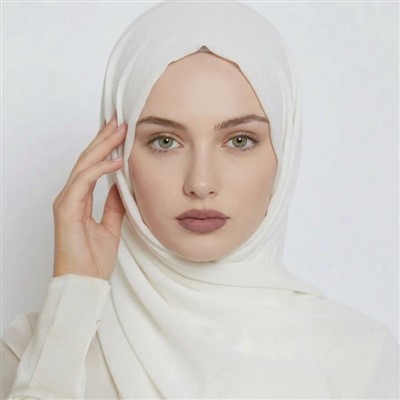
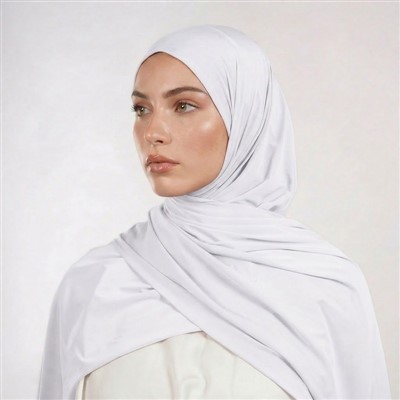
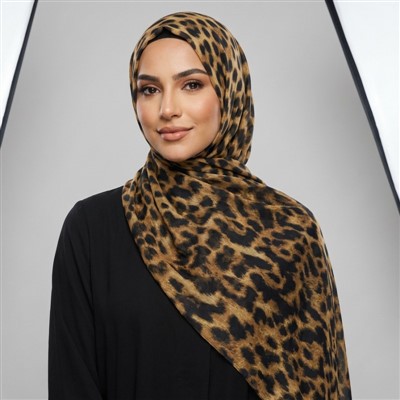
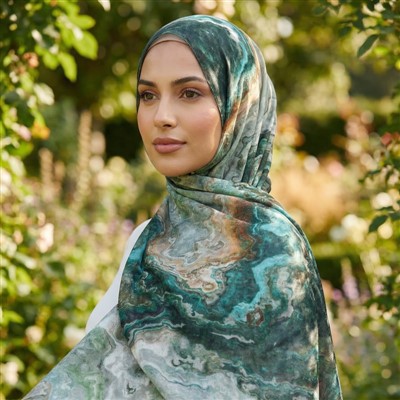
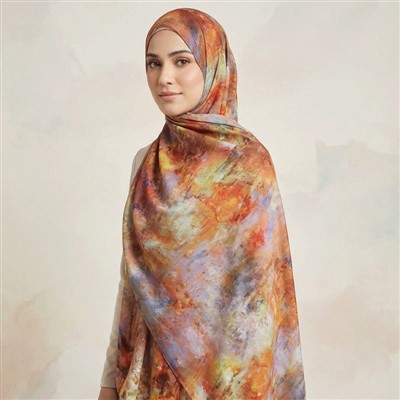
By craftsmanship, there are solid color, printed, and jacquard styles. Solid-color versions are primarily made in a single color, with warm and versatile tones that highlight the soft, lustrous texture of modal fabric. Printed versions feature patterns printed on the fabric, with floral, geometric, or abstract designs giving the headscarf a distinctive personality, suitable for fashion styling and photoshoots. Jacquard versions create a textured surface through the interweaving of warp and weft threads, achieving a three-dimensional visual effect without additional dyeing, resulting in a more refined and high-quality look.
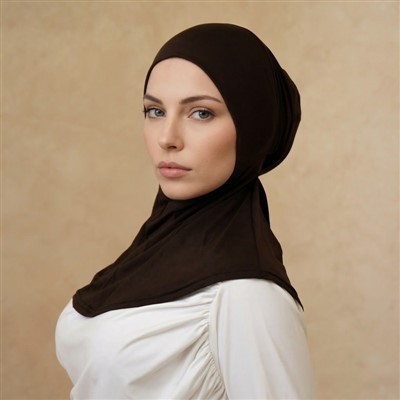
Based on usage, they can be divided into decorative and functional protective types. Decorative types emphasize aesthetics and versatility, often used to embellish hairstyles and add layers to clothing. Functional protective types prioritize coverage and moisture-wicking properties, such as widened edges or double-layered weaves, suitable for environments prone to sweating, such as running, cycling, and travel, helping to reduce the effects of direct sunlight and sweat.
In addition, there are seasonal limited-edition categories, such as thin versions suitable for spring and summer, breathable and lightweight; and thicker or double-layered versions suitable for autumn and winter, warm yet soft. Some brands also release limited-edition collaborations, incorporating artistic elements into the structure and patterns, enhancing collectability and brand recognition.
Overall, the differences in modal headscarves lie in their shape, craftsmanship, and functional positioning, allowing consumers to choose based on usage scenarios, clothing styles, and climate needs. This diversity not only expands the practical boundaries of headscarves but also keeps them constantly innovating in the field of accessories.