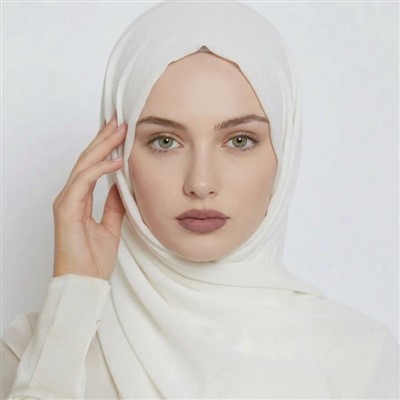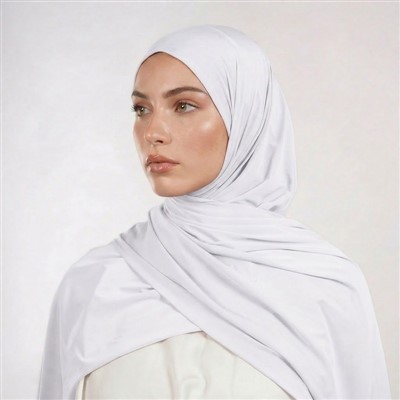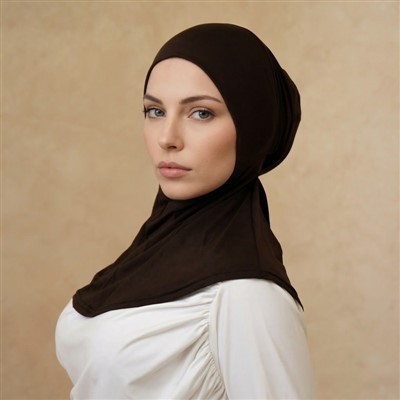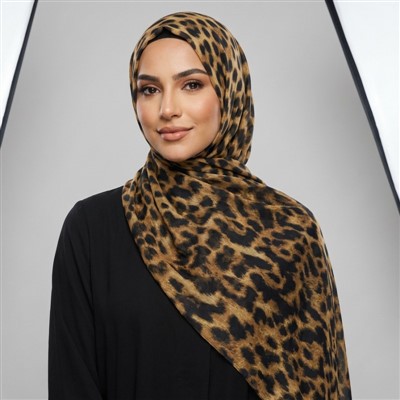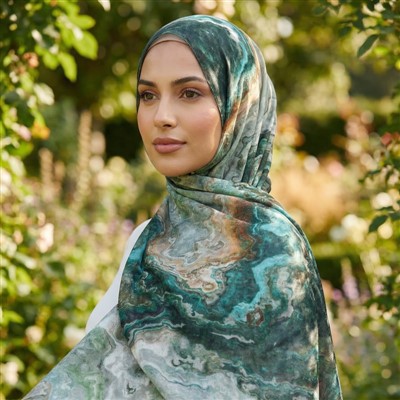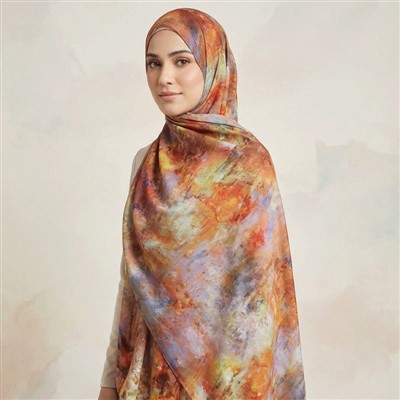
At the recent National Functional Textile Innovation Forum, modal headscarves sparked heated discussions across the industry chain due to their solid functional foundation. Experts and brands unanimously agreed that the physical and chemical properties of modal, derived from natural materials, provide reliable support for the headscarves' applications in comfort, protection, and environmental friendliness, and are gradually expanding their market share in accessories and health products.
According to a market observation report released at the forum (example data), sales of headscarves made with modal as the core material have grown at an average annual rate of approximately 16% over the past two years, demonstrating steady performance among natural fiber headscarves. The underlying functional foundation stems primarily from the raw material and structural advantages of modal fiber. Modal is made from beech pulp using an environmentally friendly solvent spinning process, resulting in uniform fiber fineness and a smooth surface, giving the fabric a silk-like feel-soft, hypoallergenic, and reducing skin irritation from prolonged contact. This constitutes the foundation of its skin-friendly and comfortable properties.
In terms of moisture management, Modal fibers have numerous micropores that quickly absorb sweat from the skin and allow it to evaporate outwards, reducing stuffiness and stickiness. This quick-drying property is the core functional basis for its use in sports, outdoor, and high-temperature protective gear, keeping the wearer dry during activities and enhancing comfort and safety. Compared to pure cotton, Modal is lighter and drapes better at the same thickness, is less prone to wrinkling, and maintains a clean appearance for a longer time, which is also an important basis for its everyday decorative function.
Environmental friendliness is another key foundation. The production process is relatively water- and energy-efficient, and the fibers are biodegradable in the natural environment, aligning with the trends of green manufacturing and sustainable consumption. Many companies have transformed this foundation into brand competitiveness, launching low-carbon certified series and strengthening recycling and plastic reduction measures in packaging and logistics to meet the ecological value demands of a growing number of consumers.
Durability also stems from the mechanical properties of the fibers. Modal has good resilience, is resistant to repeated washing, maintains a soft feel and color stability, and, combined with precise cutting and sewing processes, the headscarf does not easily loosen or deform, extending its lifespan. Some manufacturers have added UV-resistant or antibacterial finishes, extending the functionality to professional fields such as sun protection and hygiene, and expanding into scenarios such as infant care and light medical assistance.
Industry analysts point out that the functionality of modal headscarves is not a single selling point, but a comprehensive system built upon skin-friendliness, moisture control, environmental friendliness, and durability. With advancements in material composite and functional layering technologies, this foundation will continue to support the product's entry into more niche markets, becoming a model for the textile industry's transformation towards high-quality, multi-purpose products.