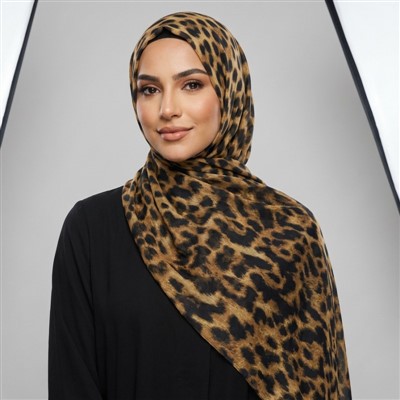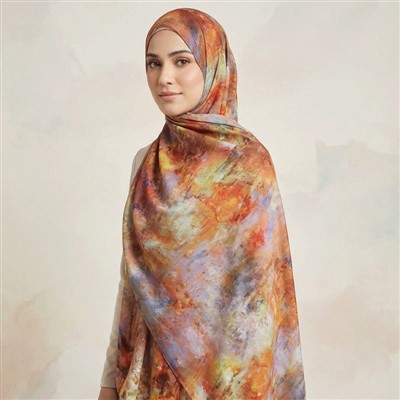
Barise headscarves are favored for their unique lightweight, breathable texture and soft drape. However, to maintain their appearance and feel for a long time, meticulous and scientific care is essential. Different materials require slightly different care methods. Mastering general principles and specific techniques will keep the scarf clean, soft, and radiant.
I. Daily cleaning should be timely and moderate. If sweat, cosmetics, or dust gets on the scarf after wearing, it should be treated as soon as possible to prevent stains from seeping into the fibers and forming stubborn marks. Cotton Balinese can be hand-washed with warm water and a neutral detergent, gently pressing and rubbing. Avoid vigorous rubbing to prevent damage to the breathable structure. Silk should be washed with cold water and a special silk and wool cleaner, gently rubbing and then rinsing quickly to prevent residue from damaging the luster. Synthetic or blended materials can be machine-washed, but should be placed in a laundry bag and on a gentle cycle to avoid high-speed spin drying that could pull on the edges.
II. Proper drying and air-drying techniques. After washing, gently squeeze out excess water; do not wring or twist to avoid deformation or pilling. It is best to lay flat or hang to air dry in a cool, well-ventilated place, avoiding direct sunlight, as ultraviolet rays will cause fading and brittle fibers. High-temperature tumble drying is also unsuitable, as it can easily lead to shrinkage or hardening. In humid seasons, turn the towel over occasionally during the drying process to ensure even drying inside and out and prevent localized mold growth.
III. Store in a dry, dark environment. Balinese headscarves should be stored flat or rolled into a cylinder to avoid irreversible creases caused by prolonged folding. The storage area should be dry, well-ventilated, and away from light. They can be placed in a breathable dust bag or shallow box to isolate them from dust and moisture. It is best to store towels of different materials separately to prevent snagging or pilling caused by friction. In rainy or humid areas, place a desiccant in the storage cabinet to reduce the risk of moisture damage.
IV. Don't overlook the details of damage prevention. Avoid wearing with sharp jewelry or on rough surfaces to prevent snagging the perforations or abrading the edges. Perfume, hairspray, and other chemicals should be completely dry before use to minimize direct contact with the fibers. If not used for an extended period, remove the headscarf periodically to air it out and check for signs of moisture or insect damage.
V. Adjust the care routine according to the material. Natural fibers such as cotton and silk require more careful handling, while synthetic blends can be cleaned more frequently. Regardless of the material, follow the principles of "gentle, low temperature, air drying, and isolation" to maintain both shape and quality.
By consistently cleaning promptly, properly drying, storing properly, and taking precautions against damage and chemical exposure, the Bali yarn headscarf can remain a constant companion, continuously exuding a light, elegant feel and durable charm.