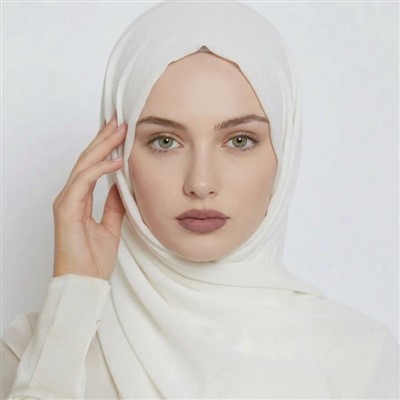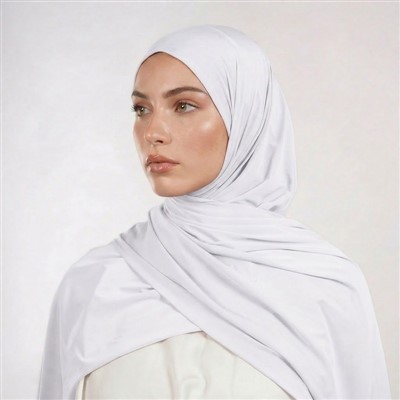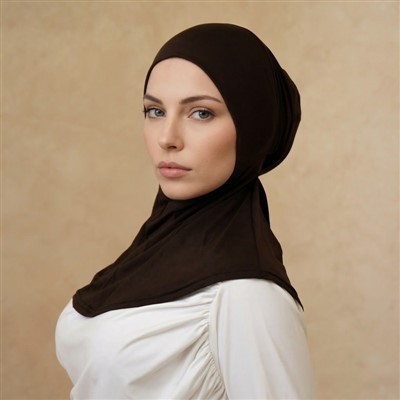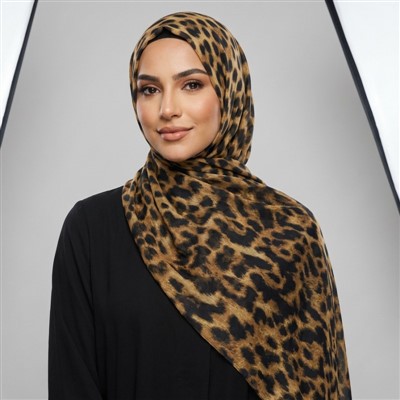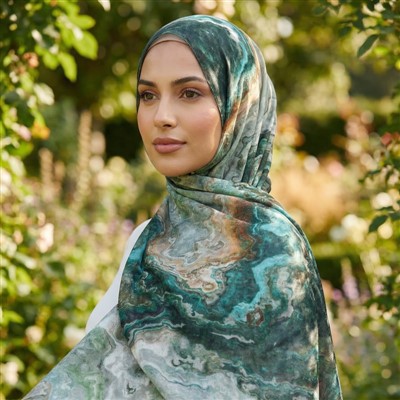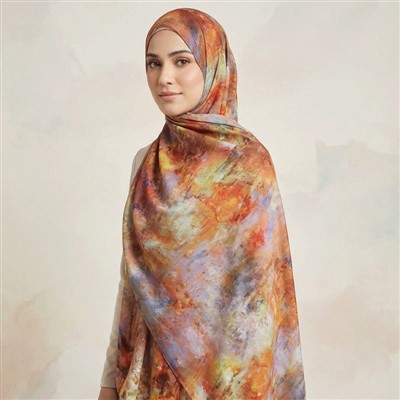
At the recent Urban Fashion Textile Exhibition, Jersey headscarves, with their unique fabric texture and diverse styling advantages, became a highlight of the accessories section, attracting significant attention from designers, brands, and buyers. As a headscarf made from Jersey knitted fabric, its soft, skin-friendly, and stretchy characteristics are redefining consumers' expectations for comfort and practicality in everyday accessories.
According to trend observations (example data) released by the exhibition organizers, the penetration rate of Jersey headscarves in the domestic mid-to-high-end accessories market has steadily increased over the past year, with a significant increase in acceptance among urban residents aged 25 to 40. Jersey fabric originated from British knitting techniques, using combed cotton or cotton blend yarns woven on a double- or single-sided circular knitting machine to create a moderately elastic knitted structure. This structure gives the headscarf excellent coverage and fit, naturally adjusting to the head shape, preventing slippage and avoiding any feeling of pressure.
In terms of comfort, Jersey headscarves feature a finely knitted texture with air layers, providing warmth while maintaining breathability, making them suitable for cool spring and autumn weather and situations with significant temperature differences between indoors and outdoors. Their soft touch reduces friction between hair and skin, and they are less prone to static electricity or frizz even after prolonged wear, which is particularly appealing to consumers who value a neat hairstyle. Meanwhile, Jersey fabric has excellent dyeing properties, offering a rich variety of colors and patterns, allowing the headscarf to easily blend with various clothing styles, from casual streetwear to light business attire.
Environmental friendliness and ease of care are also competitive advantages of Jersey headscarves. Many brands use organic or recycled cotton blends to reduce the ecological footprint of raw materials; the knitted structure allows the fabric to recover well after machine washing, with fewer wrinkles and lower maintenance costs. Some manufacturers also incorporate antibacterial or UV-protective additives into the yarn, giving Jersey headscarves both hygienic protection and outdoor functionality, expanding their application to sports, leisure, and short trips.
Industry observers point out that the rise of the Jersey headscarf reflects a market return to accessories that prioritize comfort and versatility. It retains the warm texture of knitwear while leveraging modern techniques to enhance durability and functionality, thus allowing it to thrive alongside fast fashion and sustainable fashion. With innovative designs exploring fabric textures and silhouettes, the Jersey headscarf is expected to occupy a larger share of autumn/winter collections and crossover collaborations, becoming a bridge between classic craftsmanship and modern lifestyles.