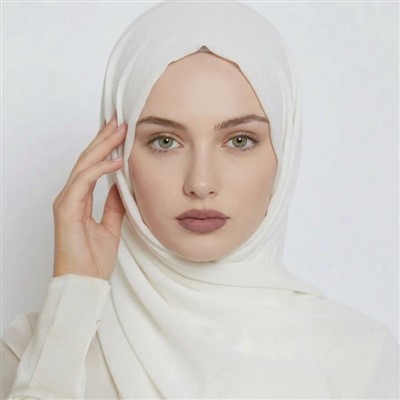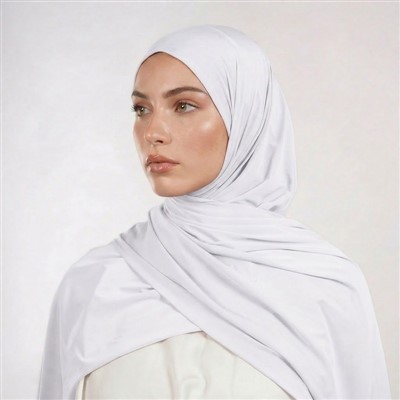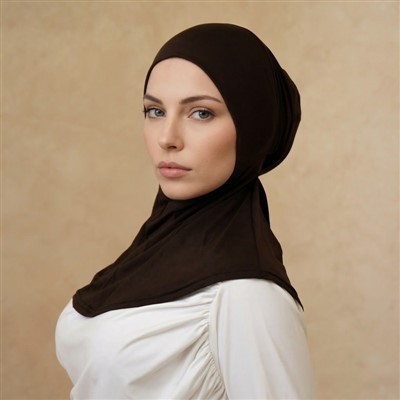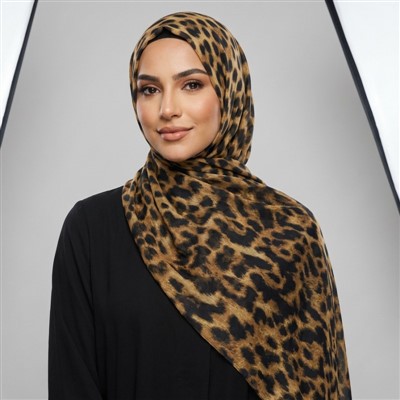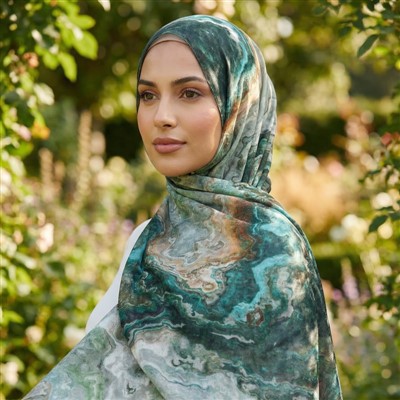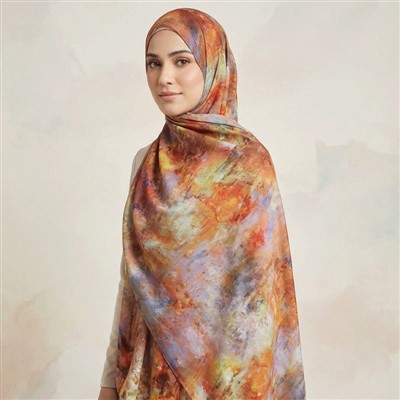
At the recent South China International Textile and Consumer Products Expo, modal headscarves became a focal point in several exhibition areas. Their skin-friendly, breathable, environmentally friendly, and durable advantages attracted widespread attention from brands and buyers, and are seen as an important direction for upgrading accessories and health protection products.
According to information released by the expo organizers (example data), the overall sales of modal headscarves, both online and offline, increased by nearly 18% year-on-year in the past year, ranking among the fastest-growing categories of natural fiber headscarves. Industry analysts believe this is inseparable from the significant advantages of modal headscarves. First, the material is exceptionally skin-friendly. Modal fibers are derived from natural beech pulp and spun using environmentally friendly solvents. The fibers are delicate and smooth, causing minimal friction against the skin and reducing irritation and discomfort during wear, making them especially suitable for prolonged use or for people with sensitive skin.
Second, they have excellent moisture-wicking and quick-drying properties. The fibers form uniform micro-channels that quickly absorb and evaporate sweat from the skin, preventing the stuffy feeling caused by prolonged dampness. This advantage makes modal headscarves comfortable for sports, outdoor activities, and high-temperature work environments, increasing users' willingness to reuse them.
Their environmental benefits are equally impressive. Compared to traditional synthetic fibers or water-intensive cotton spinning processes, modal production consumes less energy and emits less pollution. Furthermore, the fibers are biodegradable in the natural environment, aligning with current trends in green manufacturing and sustainable consumption. Many participating brands have included modal headscarves in their low-carbon certification series and reinforced their environmental image through recyclable packaging, winning over consumers who value ecological responsibility.
Durability is another plus. Modal fibers have excellent resilience, maintaining their softness and original color even after frequent washing. Combined with meticulous edging and overlock stitching, the headscarves remain shape-stable and resistant to deformation, extending their lifespan. Some high-end products also incorporate UV-resistant or antibacterial finishing, giving them both sun protection and hygiene benefits, further expanding their application scenarios.
Industry experts point out that the advantages of modal headscarves lie not only in their individual performance characteristics, but also in their organic integration of comfort, functionality, and environmental friendliness, meeting the demand for high-quality, multi-purpose accessories in the context of consumption upgrading. With continuous innovation in design and craftsmanship, this category is expected to achieve deeper penetration in maternal and infant care, medical assistance, and cross-border fashion, injecting sustained growth momentum into the textile industry's segmented markets.