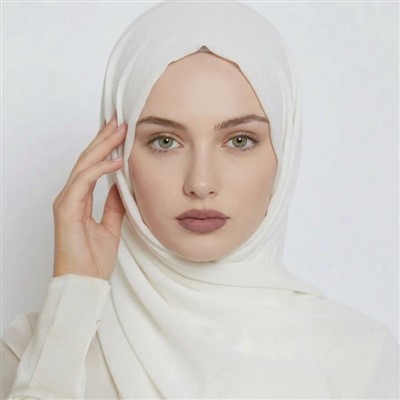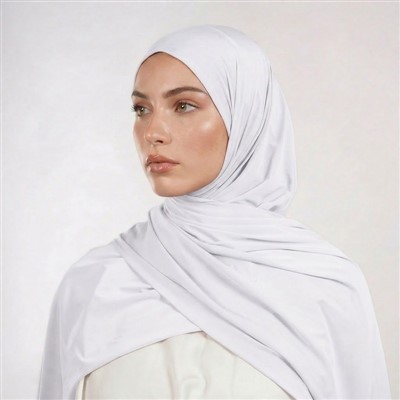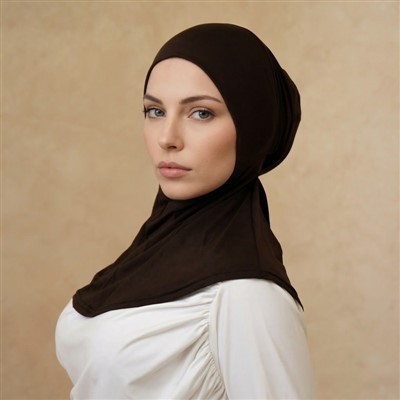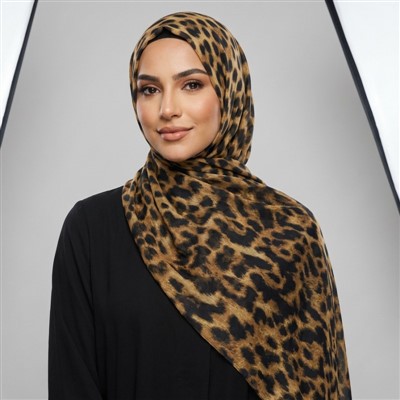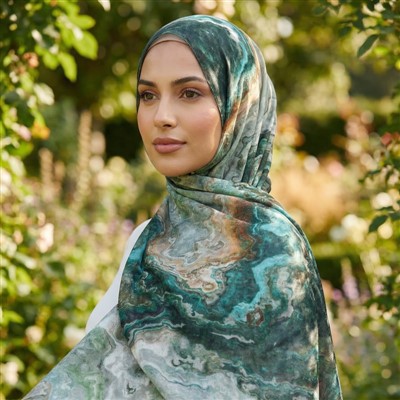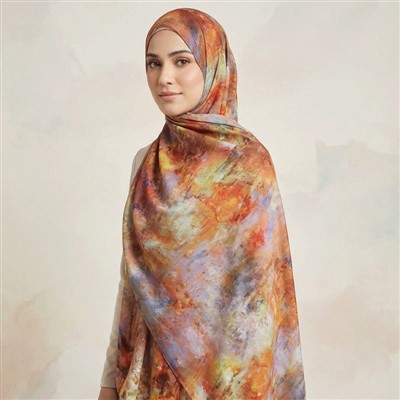
The reason the wrinkled scarf has endured and evolved in many parts of the world is not only due to its unique textural beauty, but also because it carries rich symbolic meanings and emotional memories in different cultures. As a fabric that integrates material, craftsmanship, and aesthetics, the wrinkled scarf is often intertwined with regional landscapes, customs, and spiritual beliefs, becoming a visible marker of cultural identity.
Historically, many ancient civilizations have long used pleating techniques to enrich the expression of fabrics. Fishermen and farmers along the Mediterranean coast often used linen wrinkled scarves for sun protection and sweat absorption, with pleats seen as a crystallization of wisdom in the struggle against nature. In Southeast Asian traditional clothing, hand-pleated headscarves or shawls often appear during festivals and weddings, symbolizing a bountiful and auspicious life. These early applications allowed the wrinkled scarf to transcend its practical function and enter into a system of ritual and symbolism.
Regional characteristics endow the wrinkled scarf with a distinct cultural label. Berber women in North Africa wear brightly colored folded headscarves, their pleats and geometric patterns echoing the desert light and shadow and their tribal totems; Japanese kimono scarves, with their silky folds, incorporate seasonal imagery, embodying the subtlety and Zen-like quality of wabi-sabi aesthetics; and the batik folded scarves of ethnic minorities in southwest China often tell stories of migration and ancestor worship through blue and white patterns. The different fold shapes, color schemes, and ways of wearing them in different regions reflect the local natural environment and cultural spirit.
On a folk and symbolic level, the folds of the scarf are often used as a metaphor for the cycle of life-undulating like mountains and flowing like blood vessels, symbolizing continuous life. Some ethnic groups use specially made folded scarves as tokens in coming-of-age ceremonies or rituals, conveying family responsibility and spiritual belonging. The way they are worn also subtly conveys social information, such as different tying methods for married and unmarried individuals, and for those of different ages and social statuses, making the scarf a silent language of identity.
In contemporary times, the cultural significance of the folded scarf extends to individual expression and cross-cultural dialogue. Designers combine traditional creases with modern silhouettes, giving new life to ancient techniques within a fashion context; travelers and urban dwellers use crease scarves of different regional styles to express their appreciation and identification with diverse cultures. It serves as both a carrier of nostalgia and a bridge connecting the past and the future, reminding people to cherish the uniqueness of local cultures amidst the wave of globalization.
In summary, the cultural significance of crease scarves is rooted in the interaction between humanity and nature, community and self. Using folds as its language, it records the stories of the land, the emotions of ethnic groups, and the aesthetic changes of the times, continuing a warm and profound cultural vitality through inheritance and innovation.