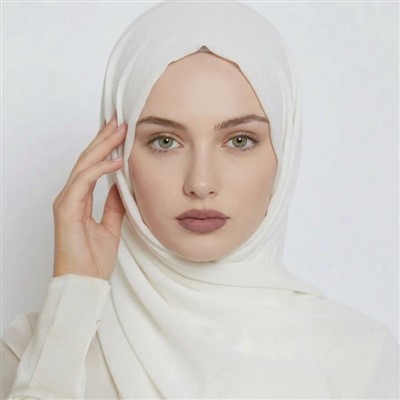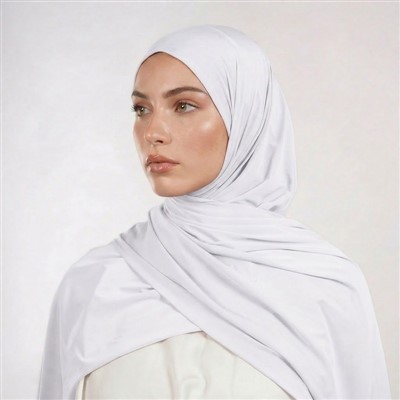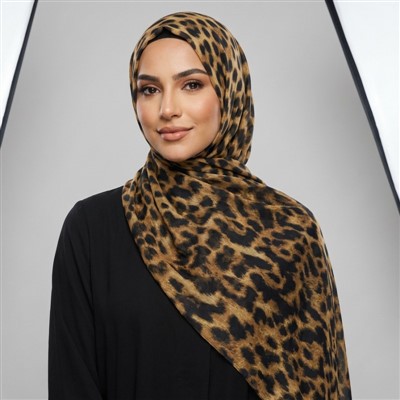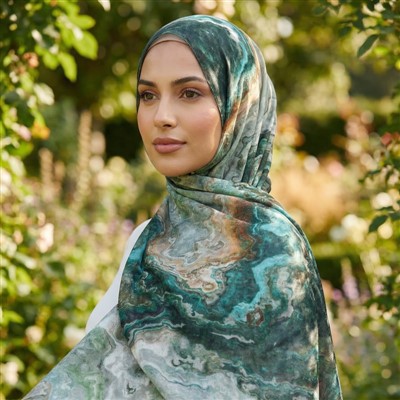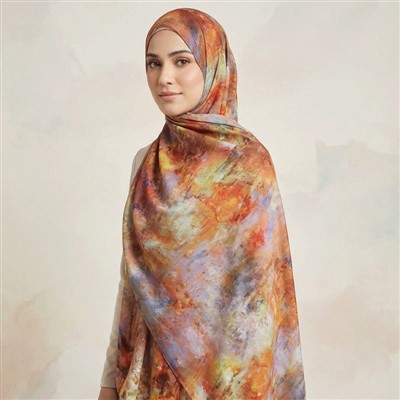
As a unique category integrating fabric texture, functional design, and cultural symbolism, wrinkled towels have received increasing attention from multiple disciplines in recent years. Research progress mainly focuses on four aspects: material performance optimization, process mechanism elucidation, design method innovation, and cultural value exploration.
In the field of materials science, scholars have conducted systematic tests on the physical and mechanical properties of the fibers used in wrinkled towels, comparing the differences in stretch rate, resilience, and durability of cotton, silk, linen, and recycled fibers during the wrinkling process. Some studies have introduced nanotechnology to improve wrinkle retention by constructing microstructures on the fiber surface, while reducing the risk of deformation after washing. Experiments (example data) show that silk-linen blended wrinkled towels treated with specific silicone-based finishing agents exhibit approximately 30% improved wrinkle stability compared to untreated samples.
The textile engineering field focuses on process mechanisms and intelligent manufacturing. Researchers have used high-speed photography and finite element simulation to analyze the stress distribution and wrinkle formation laws of hot pressing, mechanical rolling, and chemical setting, providing a basis for parameter optimization. Some teams have developed machine vision-based online inspection systems that can monitor the depth and uniformity of pleats in mass production in real time, improving quality control consistency. Digital design platforms are also beginning to integrate 3D pleat modeling algorithms, making virtual prototyping more closely resemble the real product.
Design studies emphasize the morphological semantics and user experience of pleated scarves. Scholars have proposed the concept of "pleat narrative," linking the direction of the pleats to the wearing context, constructing a mapping model from function to aesthetics; other studies explore redesign strategies for cross-cultural pleated scarves in the fashion context, analyzing how to transform traditional pleating techniques into a modern wearable art language.
Cultural and anthropological perspectives focus on the social symbolism and historical context of pleated scarves. Fieldwork and literature review have revealed the role of pleated scarves in rituals, identity markers, and trade exchanges in different regions, providing academic support for tracing the origins of contemporary brand culture.
Overall, pleated scarf research has moved from a single-process discussion to an interdisciplinary integration of materials, processes, design, and culture, deepening the scientific understanding of the formation and retention mechanisms of pleats, and providing theoretical tools and practical paths for industrial upgrading and cultural inheritance. Future explorations combining intelligent sensing and sustainable materials hold promise for further expanding the functional boundaries and application scenarios of crepes.
This article, approximately 603 words in length, reviews the academic and industrial research progress on crepes from four dimensions: materials science, textile engineering, design, and cultural studies. The title contains no special symbols, and the article is logically rigorous and informationally complete, making it suitable for use as a research review, industry white paper, or university course case study.