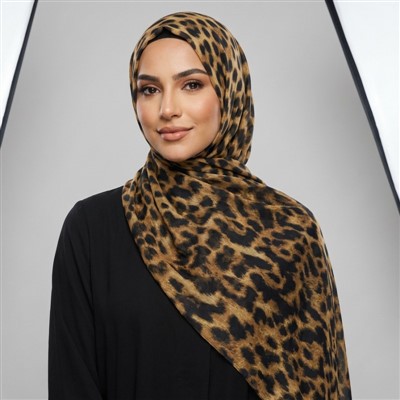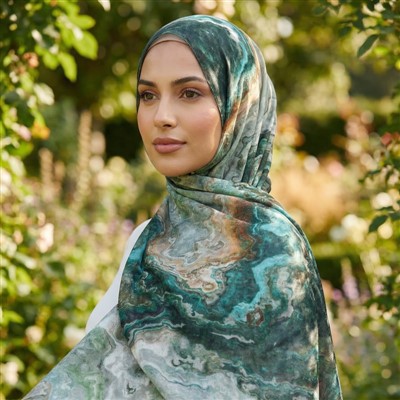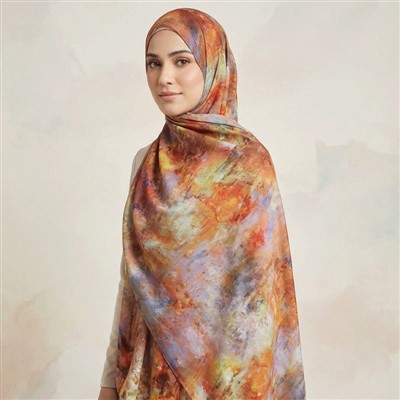
In recent years, crepe towels have continued to expand their influence in the apparel and accessories sector thanks to their unique texture and diverse styles. With consumption upgrades and technological advancements, the industry is showing distinct characteristics: material composites, intelligent processes, personalized aesthetics, green sustainability, and diversified channels.
Material Composites Drive Performance Breakthroughs. Traditional cotton, silk, and linen remain mainstream, but more brands are beginning to experiment with functional blends, such as adding elastic fibers to cotton and linen bases to improve resilience, or mixing antibacterial fibers into silk for both hygiene and comfort. Some high-end lines are also introducing recycled fibers and biodegradable materials, making crepe towels lighter, more durable, and more environmentally friendly while maintaining the beauty of creases.
Intelligent Processes Improve Quality and Efficiency. Digital printing and computer-aided design can precisely control crease distribution and pattern matching, reducing trial-and-error costs; automated equipment is introduced into hot pressing and mechanical crease forming processes to ensure consistent textures in batches of products; some companies are experimenting with low-temperature setting technology to reduce energy consumption and protect the original texture of the fibers. Upgraded processes not only optimize visual effects but also make complex customization feasible. Aesthetic personalization caters to segmented needs. Consumers are no longer satisfied with single classic styles, but seek pleats and color schemes that reflect their individual style. Designers are launching modular styles with variable pleat density, cross-brand art prints, and adjustable wearing structures to meet diverse needs from daily commutes to travel photography and stage performances.
Green sustainability is becoming an important direction. Environmentally friendly dyes, waterless dyeing, and water-saving finishing processes are being gradually promoted, reducing the environmental impact of production processes; recyclable packaging and old towel recycling programs enhance brand responsibility. More and more young consumers consider sustainability an important factor in their purchasing decisions.
Diversified channels broaden market reach. In addition to traditional brick-and-mortar stores and e-commerce platforms, the rise of social e-commerce, live streaming sales, and customized mini-programs allows small-batch, personalized crepe scarves to directly reach target customers; cross-border e-commerce helps local designs enter the international market, especially favored by Southeast Asia and Europe for exotic textures and resort-style products.
Overall, the crepe scarf industry is evolving towards a development direction that integrates technological empowerment, aesthetic diversity, environmental responsibility, and flexible supply. Brands that continue to invest in material innovation, process precision, and sustainable practices are expected to establish a differentiated advantage in the competition and gain broader growth potential.