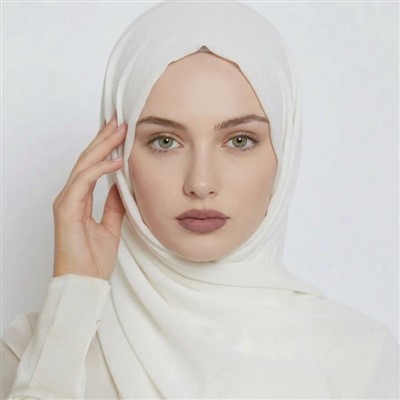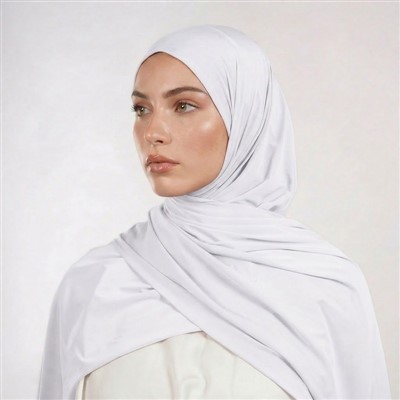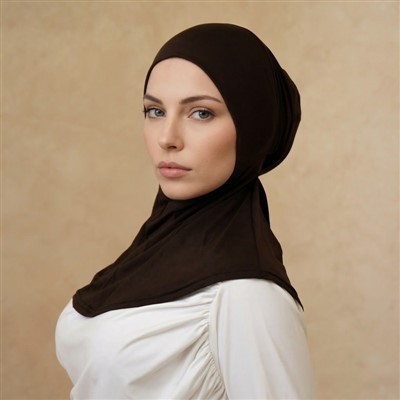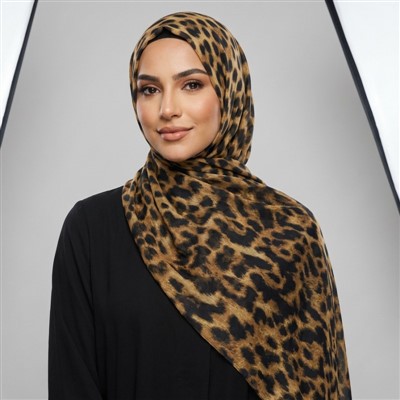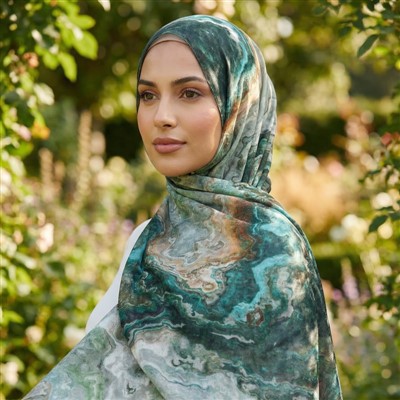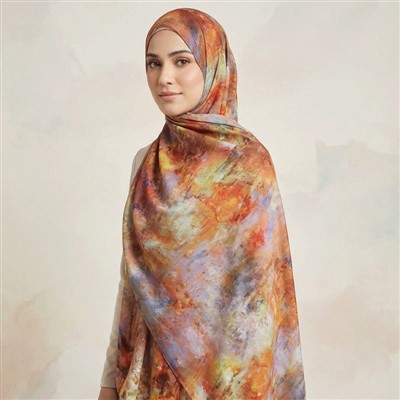
The allure of Balinese headscarves lies not only in their lightweight, breathable weave and exotic style, but also in the diverse material options available to suit different climates, occasions, and personal preferences. Understanding the characteristics of each material is crucial for making a choice that is both aesthetically pleasing and practical.
Pure cotton is the most traditional material. Cotton fibers are soft against the skin, absorbent, and breathable, making them suitable for warm, humid, or sweaty environments, keeping the wearer cool and comfortable. Pure cotton Balinese has a fluffy feel, a naturally creaseed texture, and a rustic, gentle appearance, making it especially suitable for everyday casual wear and children's wear. The downside is that its durability is relatively average; frequent washing may cause slight pilling or shrinkage, requiring careful care to maintain its original appearance.
Silk or silk-cotton blends tend to offer elegance and luster. Pure silk Balinese has a delicate, smooth touch, a soft, natural sheen, and excellent drape. The fabric flows gracefully with movement, enhancing the overall elegance of the look. Silk and cotton blends retain a certain softness while enhancing durability, offering both breathability and wrinkle resistance. However, they are more sensitive to sunlight and sweat, requiring care to avoid direct sunlight and vigorous washing. They are more suitable for delicate occasions or mild climates.
Synthetic fiber blends (such as polyester and viscose, nylon and cotton blends) are a common choice in modern production. These materials are highly stable, wrinkle-resistant, quick-drying, and shrink-resistant, maintaining the porous structure and lightweight feel of Bali yarn while offering high cost-effectiveness and durability. They are easy to machine wash, do not easily deform, and are ideal for travel, outdoor activities, or frequent use. However, they are slightly less skin-friendly and breathable than natural fibers, and may feel slightly stuffy in hot and humid environments.
Linen and cotton blends or flax blends give Bali yarn a dry, crisp feel and natural texture. Linen fibers dissipate heat well, making them suitable for hot, dry climates. Pairing them with cotton softens the roughness, creating a rustic and rugged style. These materials are more suitable for those seeking a natural, casual, or bohemian aesthetic.
When choosing materials, consider three aspects: first, the temperature and humidity of the wearing environment and the intensity of activity; second, personal preference for the fabric's feel and sheen; and third, the time and conditions for care. For warm, humid conditions and prioritizing comfort, pure cotton is a good choice; for those seeking an elegant sheen and with suitable care conditions, silk or silk-cotton blends are preferable; for frequent outings or a limited budget, synthetic blends are suitable; and for hot, dry weather and a preference for a natural look, linen-cotton blends are ideal.
By appropriately matching materials to the occasion, Balinese headscarves can showcase unique beauty while remaining comfortable and durable during use, becoming a practical and eye-catching addition to your wardrobe.