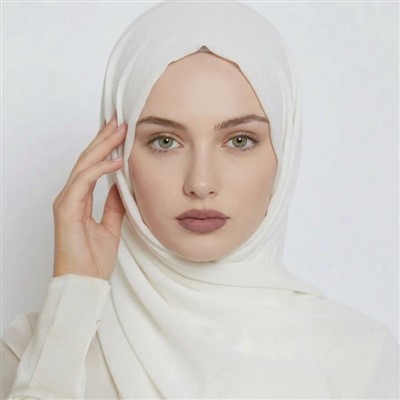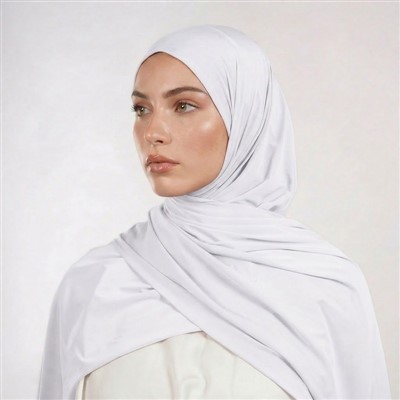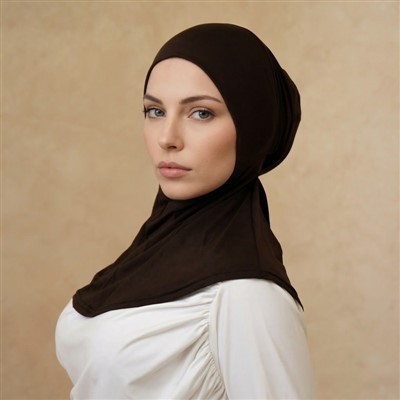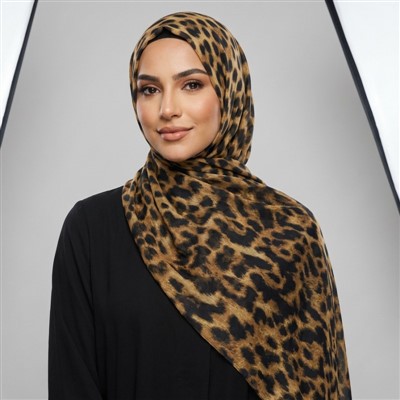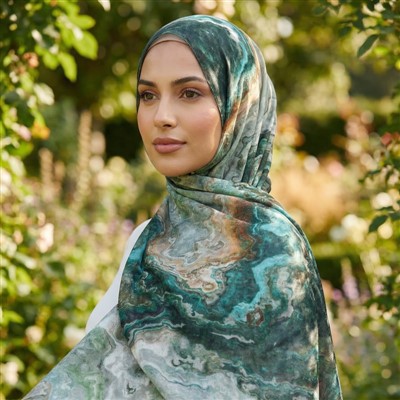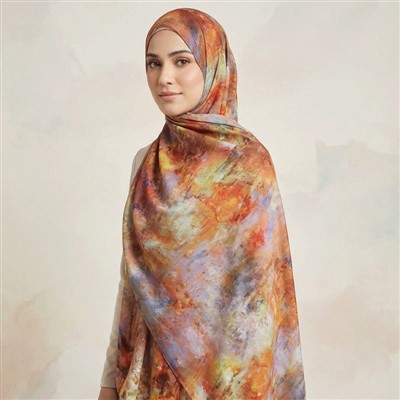
A crepe scarf is a functional decorative fabric named for its naturally or artificially formed wrinkled texture. It is commonly found in headscarves, scarves, shawls, and other clothing accessories. Its core characteristic is that the surface is not flat and smooth, but rather created through specific processes that allow the fibers to form regular or irregular undulating patterns in the longitudinal or transverse directions, resulting in both visual depth and a unique tactile experience.
By definition, a crepe scarf refers both to a type of fabric and to finished products that have undergone a wrinkled treatment. The "wrinkles" can originate from the natural properties of the raw materials-for example, certain linen and crepe silks are prone to wrinkling during weaving or finishing-or can be achieved through artificial processes such as heat setting, chemical softening, mechanical wrinkling, or pre-shrinking, allowing the flat fabric to exhibit a stable wrinkled state in the finished product stage. This structure creates variations in light and shadow on the surface, increasing its three-dimensionality and dynamism.
In terms of materials, crepe scarves commonly use cotton, silk, linen, synthetic fibers, and their blends. Cotton crepe towels are skin-friendly and breathable, with naturally soft folds, suitable for everyday casual wear; silk crepe towels have a warm sheen and delicate, smooth folds, highlighting an elegant temperament; linen crepe towels have firm, rustic folds, reminiscent of pastoral or ethnic styles; synthetic blends, through processing, control the durability of folds and wrinkle resistance, making them easy to care for and reusable. Different materials determine the feel, drape, and suitable season for the crepe towel.
In terms of manufacturing principles, crepe towels are often wrinkled after weaving or dyeing. One method utilizes the difference in heat shrinkage rates of different fibers, causing certain areas to shrink and form folds under humid and hot conditions; another is to create regular undulations through mechanical extrusion or rolling; and there are chemical methods, using resins or softeners to modify the fiber bending properties, allowing the towel surface to retain its wrinkled feel during use and washing. After treatment, the folds of the crepe towel remain relatively stable under normal care and will not easily disappear.
In terms of appearance, creases can feature fine waves, wide folds, irregular crackles, or hand-pleated effects. Colors and patterns often echo the wrinkles, enhancing textural expression. In terms of use, they can be used as headscarves to style hairstyles and face shapes, as scarves to add layers to the neck and shoulders, as shawls for warmth and style in air-conditioned environments, and are also frequently used in stage performances, photography, and other settings that emphasize visual impact. Culturally, creases have long been used in traditional clothing in Southeast Asia, Africa, and the Mediterranean region, symbolizing nature, casualness, and the warmth of handcraftsmanship.
In summary, the definition of a crease is not merely "a pleated scarf," but rather a textile form that integrates material characteristics, craftsmanship, and aesthetic expression. It imbues a flat fabric with three-dimensional emotion and narrative, conveying a unique charm and personality in clothing and accessories.